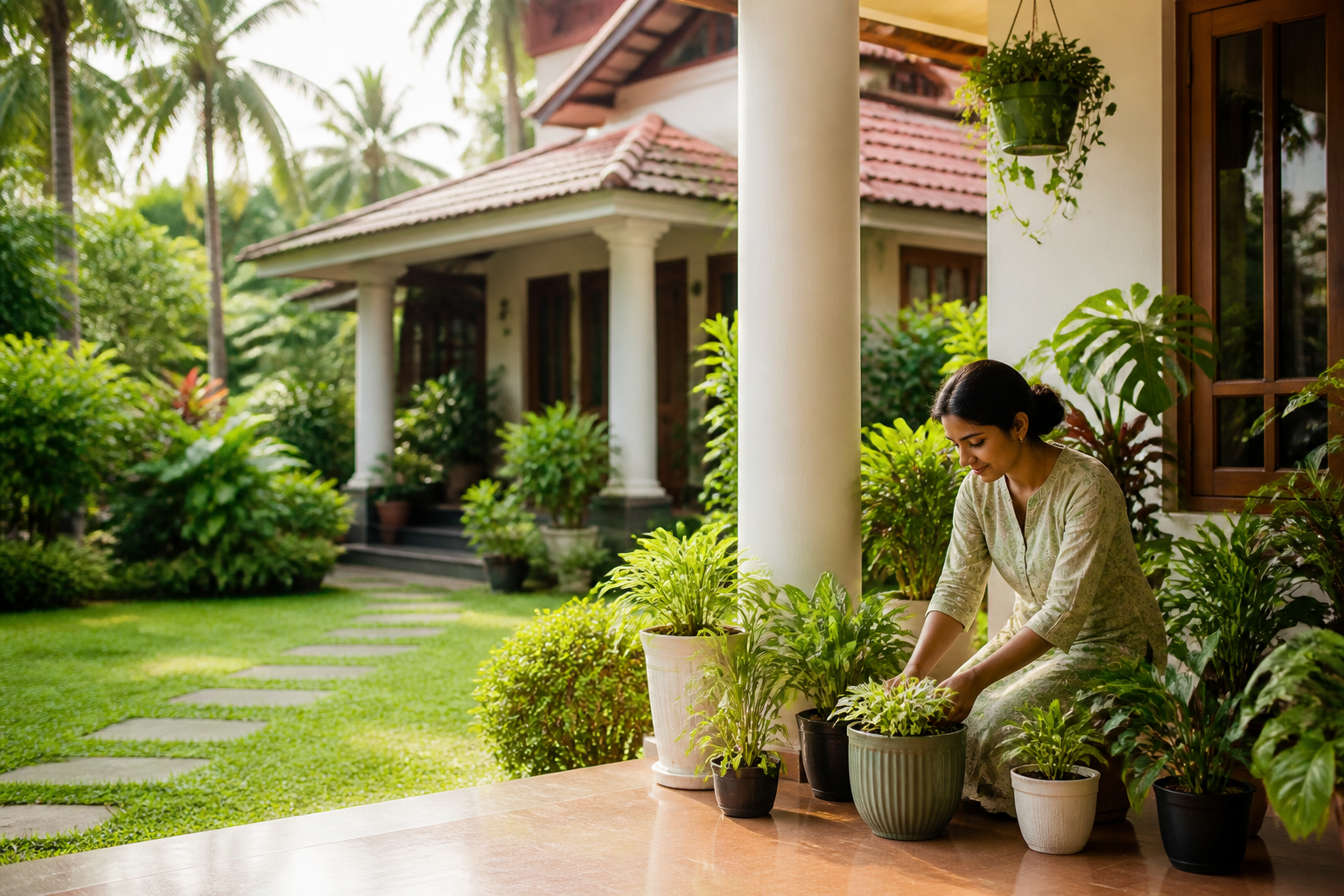
Indoor and outdoor plants can make everyday spaces feel more comfortable, calm and alive. The direct benefit is simple: plants soften hard spaces, improve the look of a room or entrance, and create a more pleasant routine for families, guests, staff and residents. When chosen well, they can also support better habits, because a planted space usually gets more attention and care than an empty one.
For homeowners, NRIs, property owners and small businesses, plants are not just decoration. They can help turn balconies, terraces, lobbies, courtyards, reception areas and window corners into spaces people actually enjoy using. If you want a practical way to keep your home or property more welcoming, you can also Ask Karyasthan for support with setup and regular care.
Why plants improve everyday living
Plants affect daily life in small but meaningful ways. A few healthy pots near a window, entrance or seating area can change how a space feels when you enter it, sit down, work, or relax. They bring a sense of freshness and make interiors and exteriors look more settled and cared for.
Here are the most practical benefits:
- Better visual comfort: Greenery breaks the monotony of walls, tiles, concrete and metal.
- More welcoming spaces: A planted entryway or balcony feels warmer for guests and residents.
- Stronger routines: Watering and checking plants can create a useful daily habit.
- Better use of corners: Empty corners, windowsills and terrace edges become useful and attractive.
- Improved property presentation: Homes and commercial spaces with healthy plants often look more maintained.
Indoor plants: benefits inside the home or office
Indoor plants work best where you spend long hours: living rooms, dining areas, bedrooms, work desks, reception counters and corridors. They can make a room feel less rigid and more lived in. In Indian homes, even one well-placed plant near a sunlit window can improve the overall feel of the space.
Good places for indoor plants
- Near bright windows with indirect light
- On side tables in living rooms
- In entry foyers, if there is enough light and airflow
- On office reception counters or waiting areas
- In balcony-connected indoor corners
Simple indoor plant choices
Choose plants based on available light, maintenance time and space. Low-maintenance options are often better for busy families, tenants and NRIs who need dependable care arrangements.
| Space | What works well | Why it helps |
|---|---|---|
| Living room | Medium pot plants, floor planters | Adds visual balance without crowding the room |
| Bedroom | Small, low-maintenance plants | Feels calm and neat when kept clean |
| Office desk | Compact desk plants | Softens the work area and reduces visual stiffness |
| Entry area | Tidy, upright plants in stable pots | Makes the first impression more welcoming |
Outdoor plants: benefits for balconies, terraces and entrances
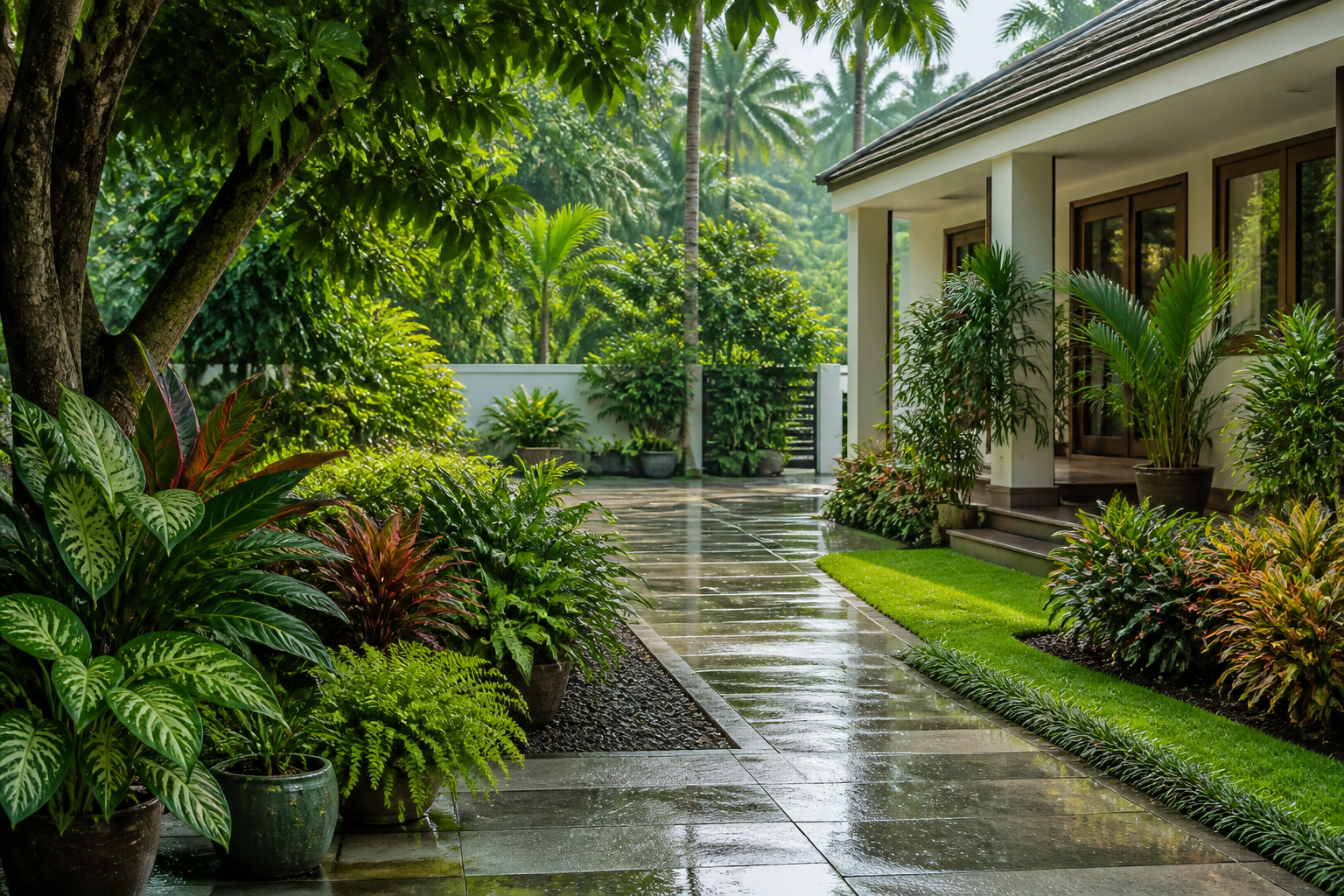
Outdoor plants do more than decorate. They help create a sense of life at the edge of the property, which matters in homes, apartment balconies, terrace gardens, compound edges, storefronts and office entrances. Outdoor greenery can make a building feel less harsh and more cared for from the street itself.
For small businesses, this is especially useful. A neat green frontage, even with a few planters, can improve how customers perceive the place before they enter. For homeowners, balcony or terrace plants can turn unused outdoor space into a pleasant spot for tea, reading or family time.
Useful outdoor placements
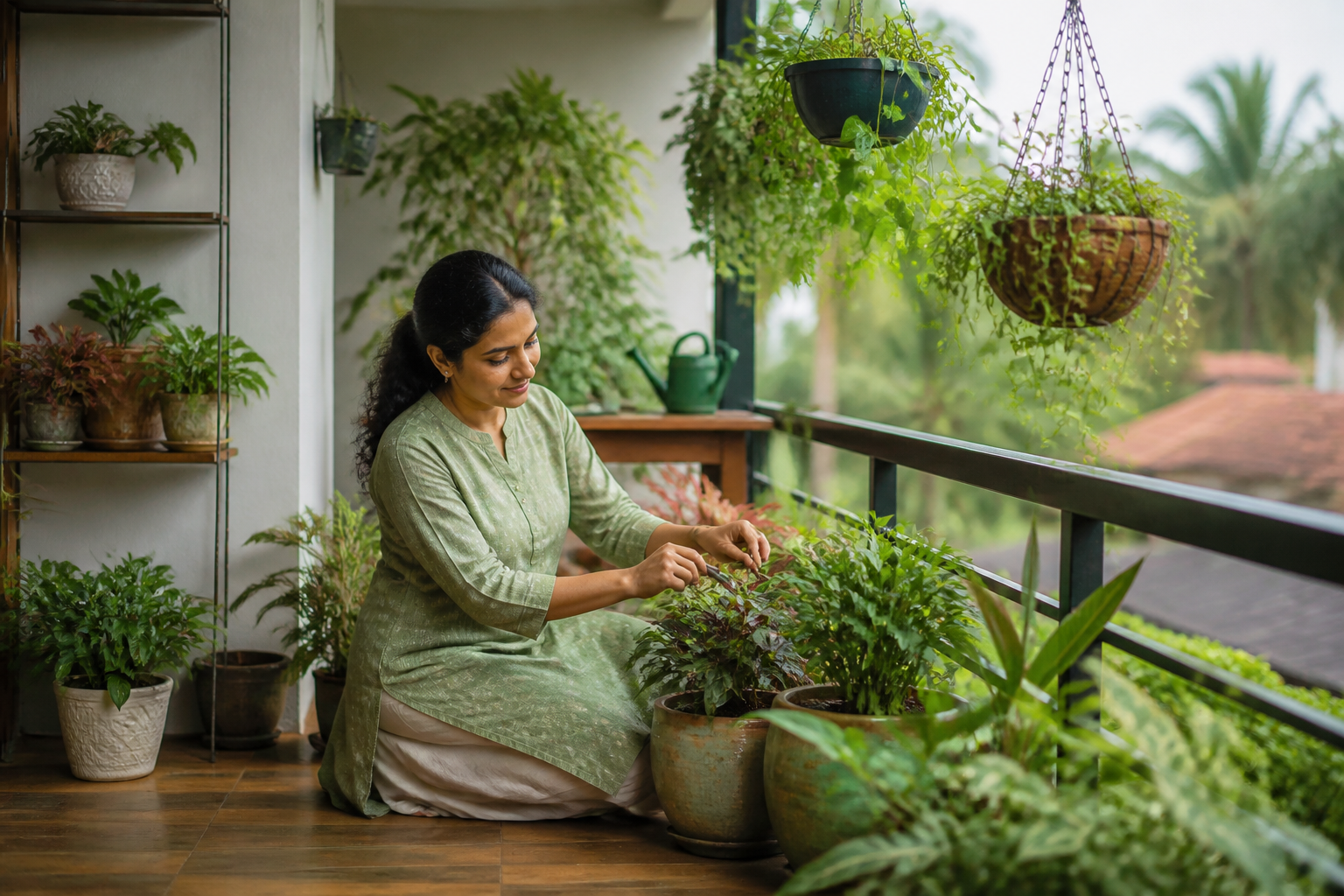
- Balcony corners where pots can stand safely
- Terrace edges with proper drainage and shade planning
- Entrance steps or porch areas with enough room
- Boundary planters near compound walls
- Café, clinic or shop frontage areas that need a cleaner look
How plants support better daily habits
Plants often improve living by shaping behavior. When people notice a plant daily, they also notice dust, water levels, sunlight and overall cleanliness around it. That can lead to better space management. A green corner can encourage tidier surroundings, more mindful watering, and a little more care with where items are placed.
In family homes, this can also become a shared task. Children may help with watering. Adults may use plant care as a short pause from screen time. In managed properties, regular plant maintenance can become part of the wider housekeeping routine.
Practical checklist before adding plants
Use this simple checklist before buying or placing plants:
- Check light: Know whether the spot gets direct sun, filtered light or shade.
- Check drainage: Pots should not hold standing water.
- Check space: Make sure plants will not block movement, switches or doors.
- Check maintenance time: Choose plants you can water and clean consistently.
- Check safety: Keep planters stable, especially on balconies and ledges.
- Check purpose: Decide whether you want privacy, decoration, freshness or a more welcoming entrance.
Common mistakes to avoid
Many plant problems come from simple planning errors rather than the plant itself. Avoid these common mistakes:
- Buying plants without checking light conditions
- Using pots without proper drainage holes
- Placing heavy pots in unsafe balcony spots
- Overwatering because the soil looks dry on the surface
- Ignoring fallen leaves, pests or broken stems
- Choosing plants that are too large for the room or passage
- Leaving outdoor plants exposed to harsh weather without a plan
When to call a qualified professional
For regular plant care, many people can manage with a simple routine. But call a qualified professional when the situation involves safety, property damage or complex maintenance. This is especially important for large terrace planters, wall-mounted arrangements, drainage concerns, waterproofing issues, high balconies, electric fixtures near greenery or suspected pest problems that affect the structure.
If plant placement is near lighting, wiring, rooftop access or load-bearing edges, do not improvise. A professional can help assess the space safely. If you want a managed setup instead of handling it alone, explore Managed services for property support and ongoing coordination. You can also Contact the team for a practical plan.
FAQ
Do indoor plants really make a home better?
Yes, if they are placed well and cared for consistently. They make rooms feel softer, fresher and more lived in, which improves daily comfort.
How many plants do I need?
There is no fixed number. Start with a few plants in important areas such as the entry, living room, balcony or office reception, then add more only if maintenance remains easy.
Are outdoor plants harder to maintain?
They can be, because they are exposed to sun, wind and rain. But with the right pot size, drainage and placement, outdoor plants can be manageable and rewarding.
What if I travel often or live away from the property?
Choose low-maintenance plants and arrange a dependable care schedule. For absentee owners and NRIs, managed plant care can prevent neglect and keep the property presentable.
Can plants help small businesses?
Yes. Plants can make entrances, waiting areas and storefronts look more inviting and cared for, which supports the overall customer experience.
Final thought
Indoor and outdoor plants improve everyday living because they make spaces feel more comfortable, more welcoming and easier to enjoy. With the right placement and simple care, greenery can lift the feel of a home, office or property without major effort. If you want help choosing, arranging or maintaining plants as part of wider home and property care, ask Karyasthan to guide the next step.
0 Comment