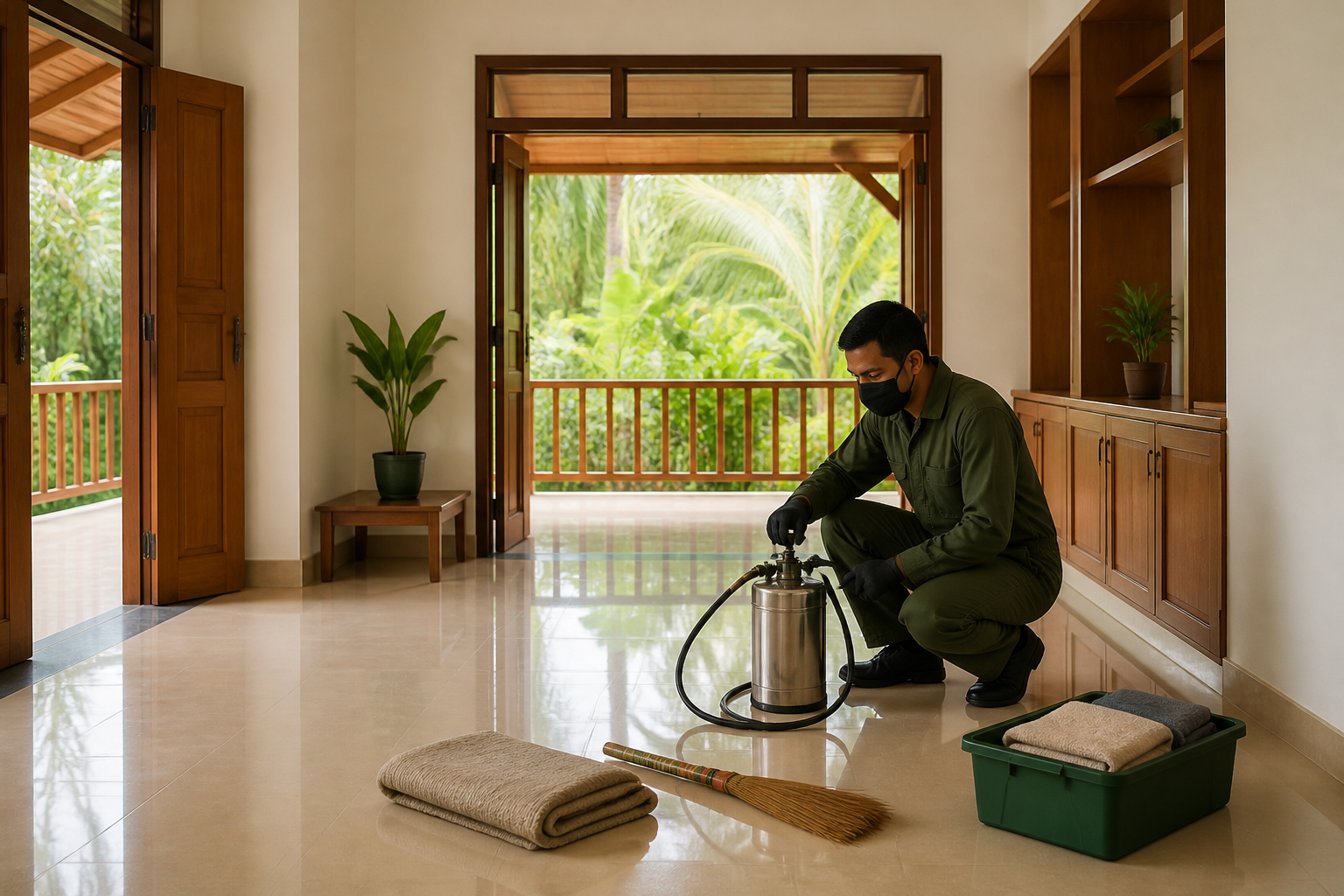
If your home is empty and you want pest inspection or treatment, the safest approach is to clear access, protect sensitive items, and avoid disturbing anything that could hide pests or cause damage. A well-prepared empty home helps the technician inspect properly, apply treatment where needed, and reduce the chance of missed problem areas.
Start with access, visibility, and basic safety
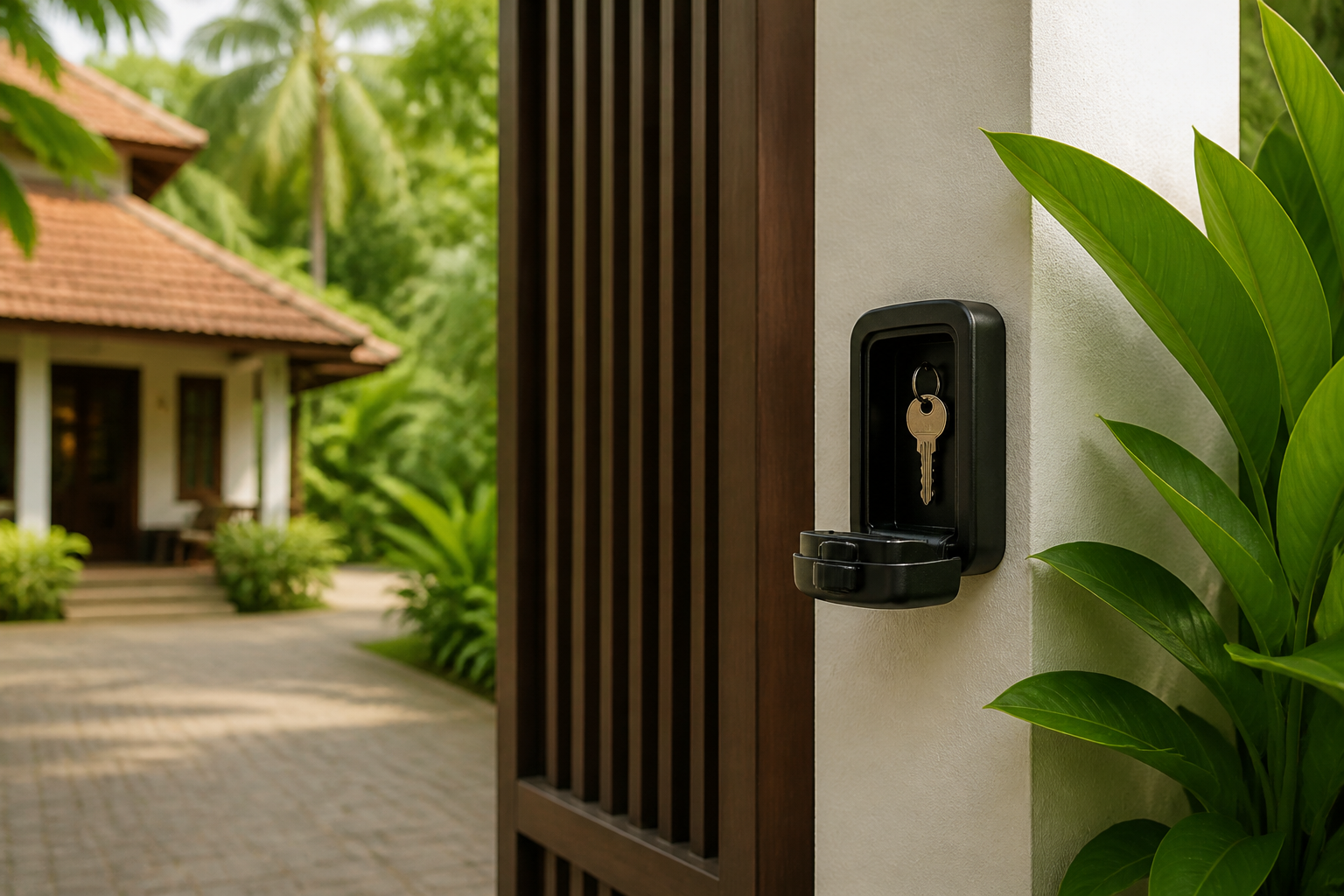
Before any pest check, the home should be easy to move through. Open internal doors if the property is safe to enter, turn on lights, and make sure entry points are accessible. If the home has been closed for weeks or months, air it out first. This is especially useful in Indian climates where dampness can build up quickly and attract insects, termites, or rodents.
If you manage a vacant flat, villa, shop, or office, consider arranging a quick pre-check first. Services like Ask Karyasthan can help coordinate a property visit, while Managed services are useful when a home is being looked after from another city or country.
What to do before pest inspection or treatment
The goal is not to deep-clean everything. The goal is to give the pest control team a clear, safe, and damage-free work area.
Practical checklist
- Remove loose clutter: Cardboard boxes, paper stacks, old clothes, plastic covers, and stored bags can hide insects and block access.
- Empty kitchen counters: Take away groceries, utensils, and open containers. Store food in sealed boxes or remove it from the property.
- Shift items away from walls: Leave space around skirting boards, cupboards, wardrobes, and corners so the technician can inspect properly.
- Clean visible dust and spills: A basic wipe-down helps reveal droppings, trails, and signs of infestation.
- Protect sensitive items: Cover electronics, documents, fabrics, and appliances if the treatment plan requires it.
- Check water sources: Fix leaking taps or visible seepage if possible, because moisture often attracts pests.
- Keep pets and children away: The home should remain unoccupied during treatment and until it is safe to return.
Items to move or cover carefully
| Item | What to do | Why it matters |
|---|---|---|
| Mattresses and bedding | Lift, inspect, and cover if needed | Bed bugs and dust can collect in folds and seams |
| Kitchen items | Remove open food and utensils | Prevents contamination and allows better inspection |
| Books and papers | Move into sealed storage | Protects from moisture and insect damage |
| Electronics | Switch off and cover if advised | Reduces risk of chemical contact or dust entry |
| Stored clothes | Pack in sealed bags or boxes | Prevents moth, cockroach, and silverfish damage |
How to avoid damage while preparing the home
Many people unintentionally damage interiors while trying to “prep” for pest control. Avoid dragging heavy furniture across floors, pulling fitted cabinets, or using strong cleaners on delicate finishes. If your home has wooden wardrobes, laminate units, painted walls, or marble surfaces, use gentle handling only.
Also avoid spraying random insecticides before the inspection. If you do that, the technician may not see the real source of the problem, and it can make treatment less effective. A proper pest check works best when the area is not masked by unnecessary sprays or heavy fragrances.
Common mistakes to avoid
- Leaving the property sealed and dark until the last moment, which makes inspection harder.
- Throwing everything into the middle of the room instead of clearing access routes.
- Washing away visible evidence before the technician sees it.
- Using bleach or harsh chemicals on every surface, which can damage finishes.
- Forgetting to inform the pest team about damp areas, previous leaks, or termite signs.
- Ignoring the terrace, utility area, loft, drain edges, and store room.
What a good pest inspection usually checks
An empty house should be checked room by room, including spaces people often ignore. Pest activity often starts in hidden places and spreads slowly.
- Kitchen cabinets, under sinks, and behind appliances
- Wardrobes, corners, and bed frames
- Bathrooms, pipe entry points, and exhaust openings
- Lofts, storerooms, and cardboard storage
- Balconies, utility areas, and window frames
- Cracks, gaps, and damp patches near walls or skirting
If you are arranging this from outside the city, using a property support partner can save time. For owners who also need regular upkeep, inspection, and coordination, Contact the team to discuss a practical setup.
When to call a qualified professional
Some issues should not be handled as a simple pest job. Call a qualified professional if you notice any of the following:
- Electrical concerns: burning smell, sparking points, loose wiring, or pest damage near switchboards.
- Structural damage: cracked beams, sagging ceilings, hollow-sounding wood, or severe termite tunneling.
- Gas or fire risks: damaged utility lines, leaking cylinders, or heat damage near kitchen areas.
- Severe dampness or seepage: repeated water ingress that may need plumbing or waterproofing support.
- Large infestations: rodents, termites, or widespread cockroach activity that needs professional treatment planning.
Do not try to open sealed wall panels, touch live wiring, or carry out major repairs yourself. Safety comes first, and the correct specialist should handle those issues.
Simple workflow for owners, NRIs, and small businesses
- Confirm the pest problem or schedule a preventive inspection.
- Walk through the empty property and note access issues, damp spots, and storage risks.
- Remove food, clutter, and fragile items from the treatment zones.
- Share the home’s condition with the pest team before treatment begins.
- Keep the property vacant during treatment and follow the re-entry guidance given by the professional.
- After treatment, ventilate the home and check for any follow-up steps.
FAQ
How long before treatment should I prepare an empty house?
For a basic pest inspection, a few hours may be enough if the property is already empty. For treatment, it is better to prepare the home the previous day so you do not rush and miss important items.
Should I clean the whole house before pest control?
A normal clean-up is helpful, but avoid deep scrubbing every area if it will remove evidence of infestation. Clear access, remove food, and tidy the space without disturbing hidden problem spots.
Can I leave furniture in place in an empty home?
Yes, if it is safe and the technician can reach behind and under it. Heavy built-in items should not be moved without care. For large or fixed furniture, let the pest team guide you.
What if the home has been vacant for months?
Vacant homes often need a broader check because dampness, dust, and closed spaces can encourage pests. Inspect storage rooms, bathrooms, and kitchen corners carefully, and look for leaks or ventilation issues.
Is it safe to return home immediately after treatment?
Return only after the pest professional confirms the area is safe. The waiting time depends on the treatment used and the parts of the home treated.
Final tip
A safe pest check starts with a clear, accessible, and undisturbed home. If you are away, managing a rental, or handling a property from another city, getting coordinated help can prevent damage and reduce stress. If you want practical support for preparation, inspection coordination, or ongoing upkeep, ask Karyasthan or onboard a service that fits your property needs.


0 Comment